Human influence on ecological synchrony

Using a social-ecological macrosystems framework to understand how human activities alter ecological synchrony

Changing phenology
First-author
People and Nature 2026
Authors

Yiluan Song

Mallory Barnes

K. Ann Bybee-Finley

Kyla M. Dahlin

Travis McDevitt-Galles

Stephan B. Munch

Guillermo E. Ponce-Campos

Casey Youngflesh

Benjamin Zuckerberg

Kai Zhu

Published

November 11, 2024

Keywords

global change biology, environmental data science, Anthropocene, asynchrony, climate change, global change, mismatch, phenology, social-ecological, synchronization

Highlights

  • We conducted a literature review to show human activities beyond climate change have the potential to disrupt or enhance ecological synchrony across levels of organization.
  • We used four case studies to demonstrate ways to quantify the impacts of human modifications on synchrony on large scales using big data.

Abstract

Different aspects of ecological systems, biotic or abiotic, often fluctuate in coordinated patterns over space and time. Such high concordance between ecological processes is often referred to as ecological synchrony. Human activities, including and beyond climate change, have the potential to alter ecological synchrony by disrupting or enhancing existing synchrony. However, most studies have focused on single scales, limiting our understanding of how human activities alter ecological synchrony across spatial, temporal, and organizational scales. With a social-ecological macrosystems framework, we review how human activities, particularly beyond climate change, alter ecological synchrony from the ecosystem level to the population level. For each level, we present a case study that characterizes the roles of human agents in synchrony using data from large-scale observations. We found that human activities alter ecological synchrony through interactions among drivers on multiple scales, often disrupting synchrony, but that adaptive management can maintain or restore synchrony. Human activities potentially modify cascades of synchrony through cross-scale interactions and cross-scale emergence. Finally, we recommended a set of questions to facilitate the explicit consideration of ecological synchrony as a target in sustainable management.


The overlooked human dimension of ecological synchrony
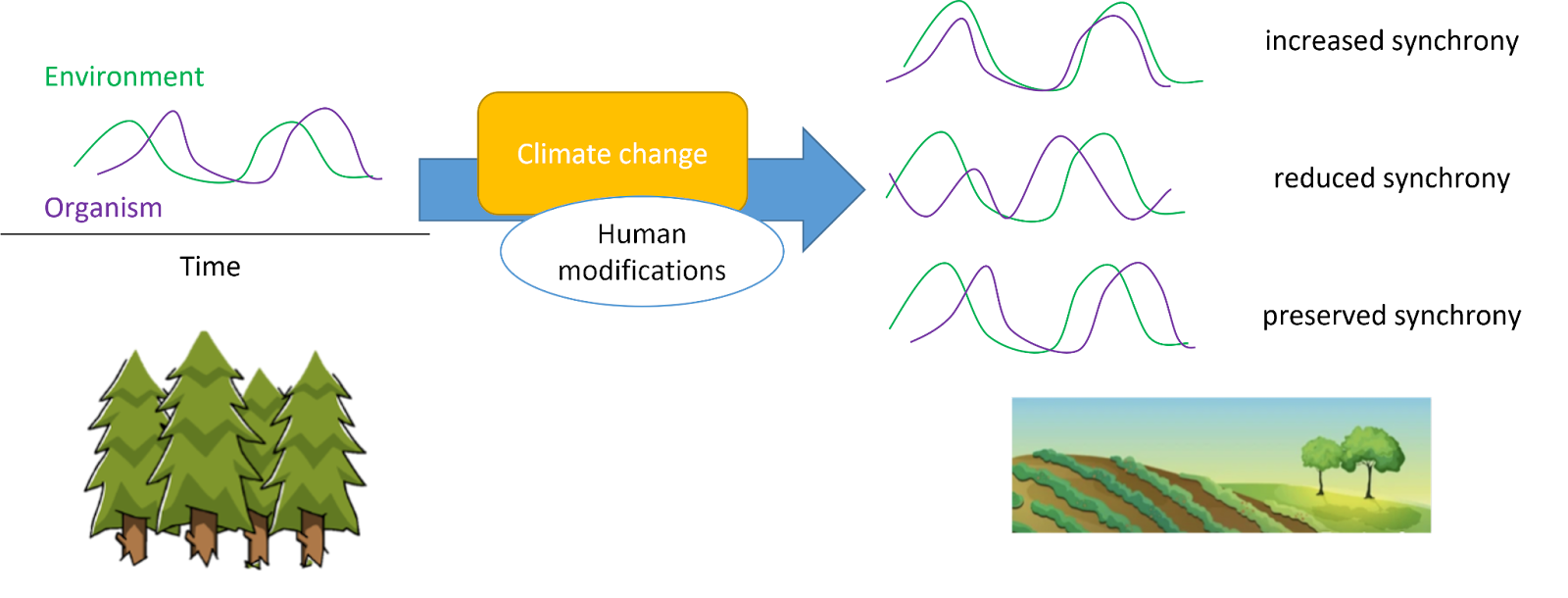
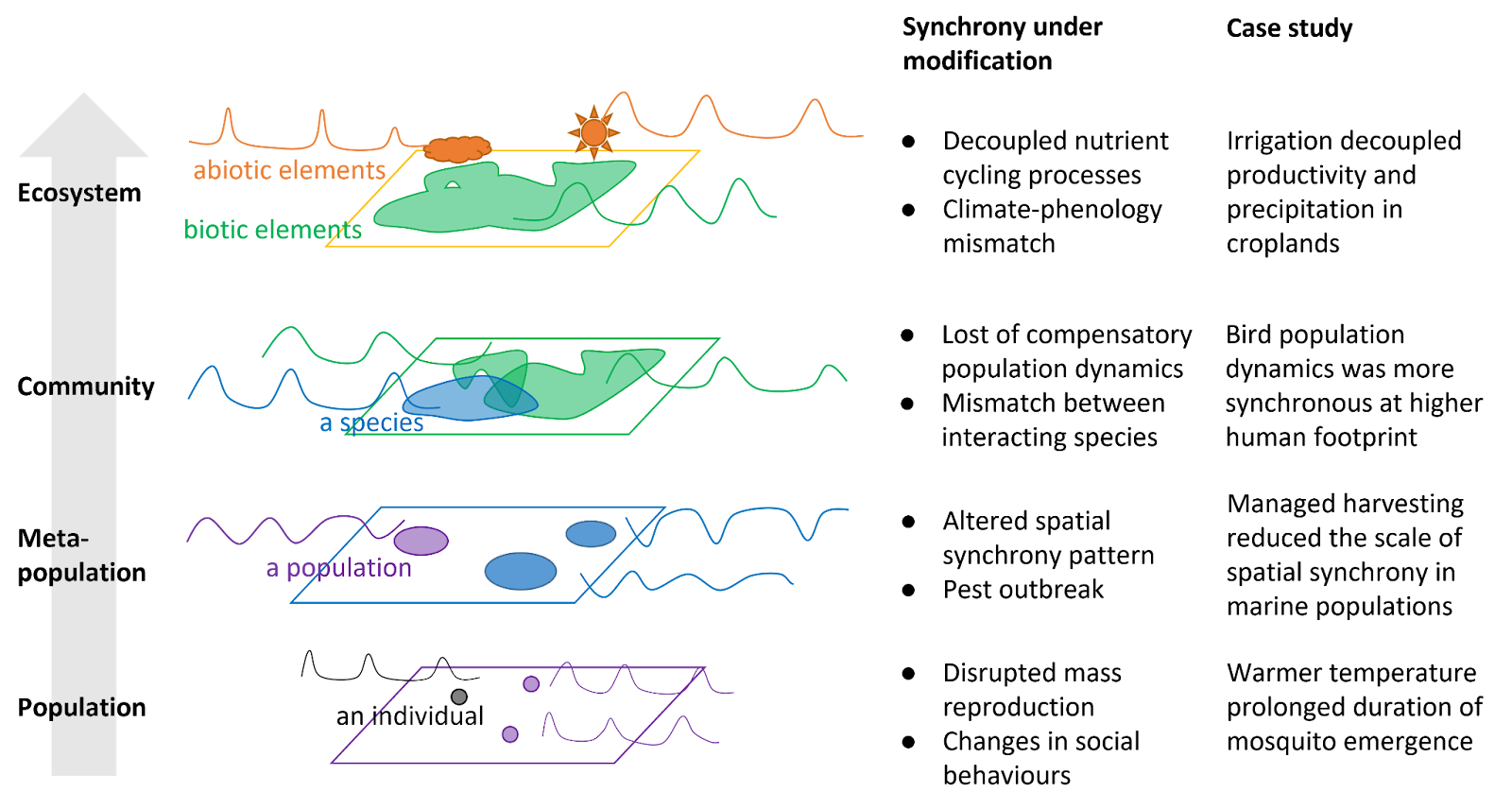
(a) Schematic representation of various possible changes in ecological synchrony with human modifications, including but not limited to climate change. (b) Human activities potentially alter ecological synchrony across levels of ecological organization. Examples for each level are provided.

A social-ecological macrosystems framework
Social variables (S) interact with ecological variables (E) and modify ecological synchrony among Es, through (a) within-scale coupling, (b) cross-scale interaction, and (c) cross-scale emergence.

Understanding human modification with the framework and big data

Ecosystem level
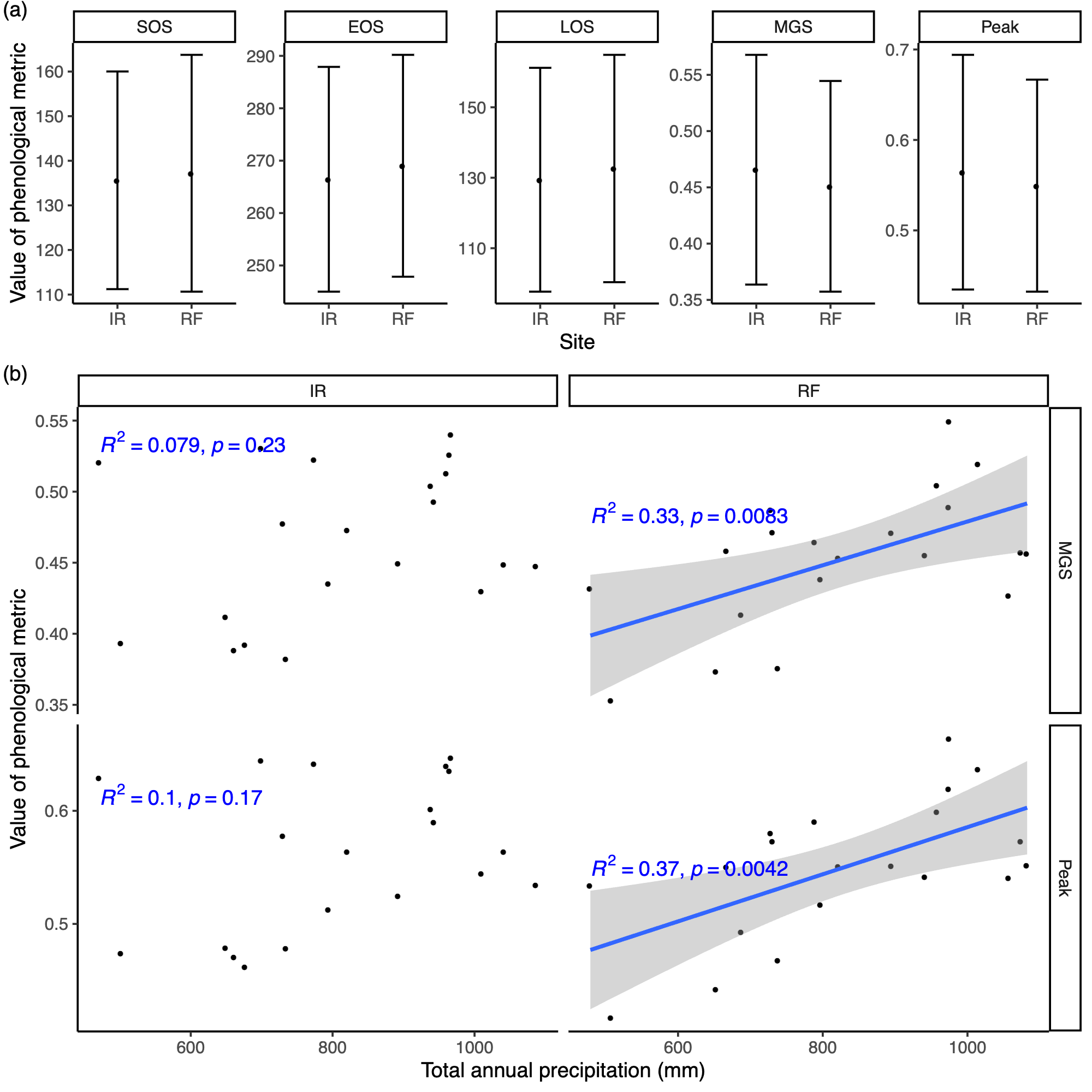
Irrigation alters the synchrony at the water-energy-carbon nexus by reshaping within-scale coupling and interacting with global climate change. Irrigation alleviates the water limitation on evapotranspiration and strengthens the synchrony between evapotranspiration and temperature. Along with the synchrony between evapotranspiration and crop productivity, irrigation introduces a pathway to enhance the synchrony between a warming climate and crop yield.

The impact of irrigation on the synchrony between temperature, latent heat flux, and gross primary productivity. Community level

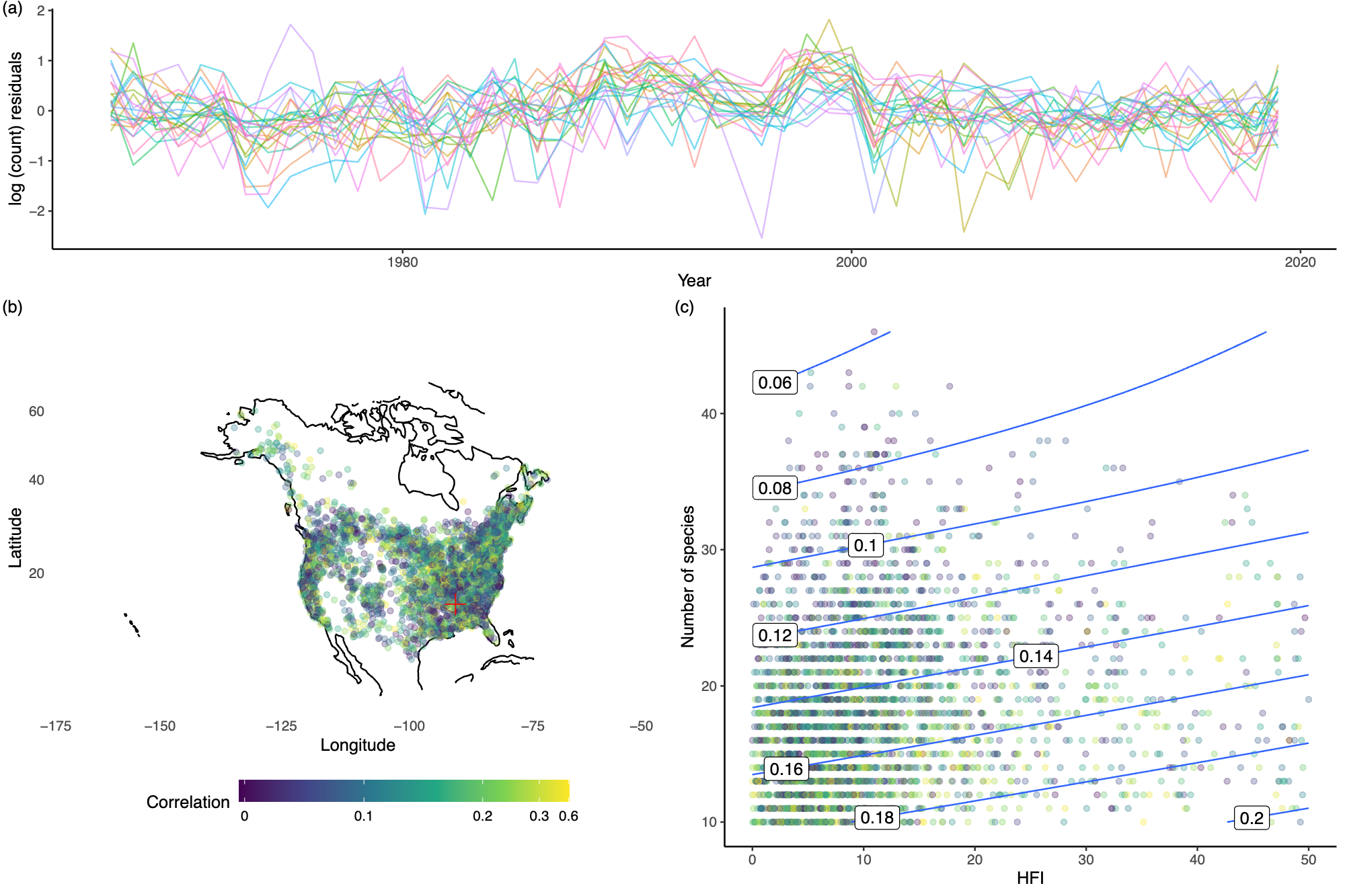
Anthropogenic land use (e.g., agriculture) might synchronize the demographic changes of bird species in a community with cross-scale interactions, either directly through the available habitat for species, or indirectly through elevated fluctuations in temperature. The increased synchrony among bird species might threaten the stability of the community and the pest control ecosystem service it provides. The impact of urbanization on the synchrony of bird population abundance among different species. Meta-population level

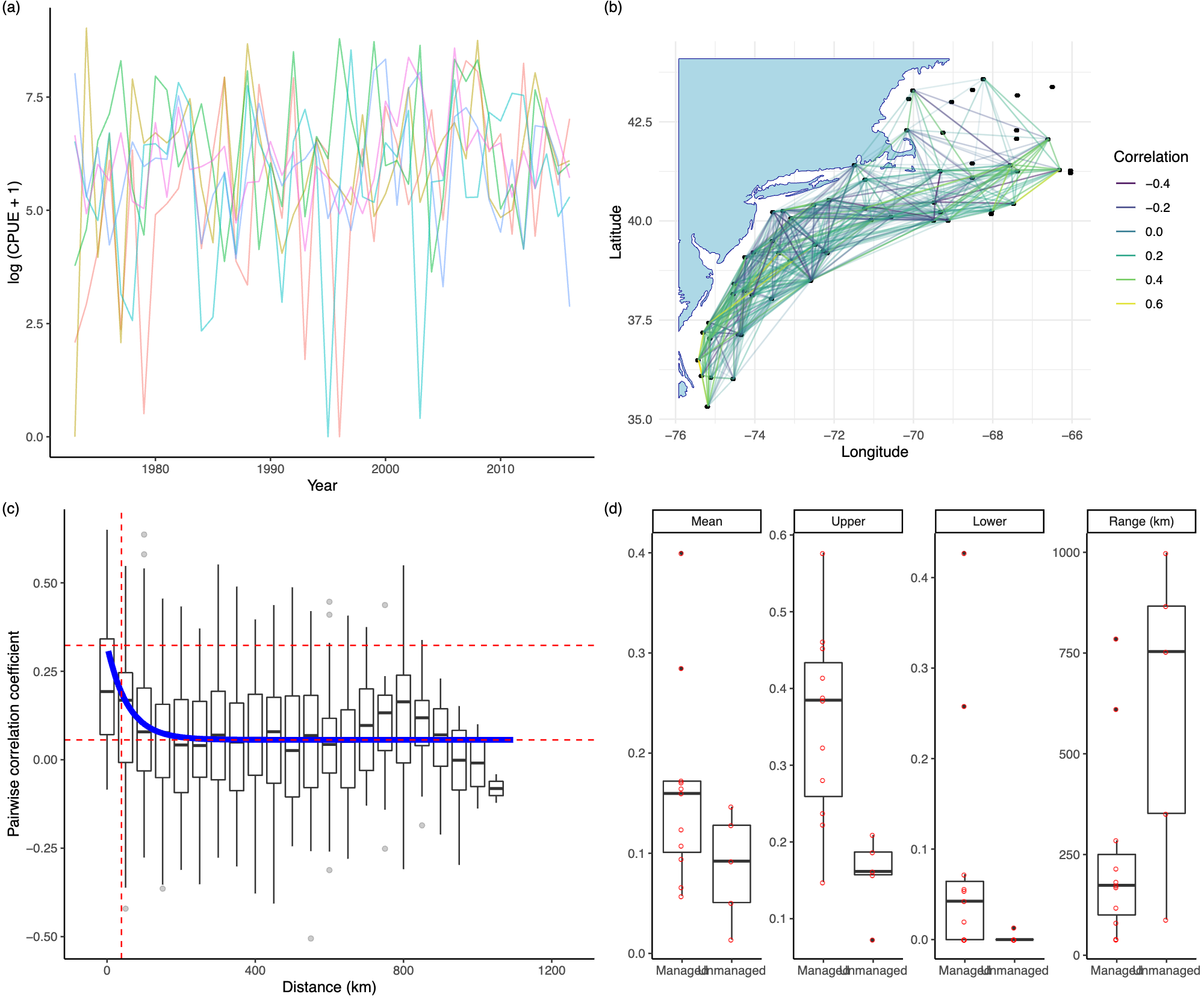
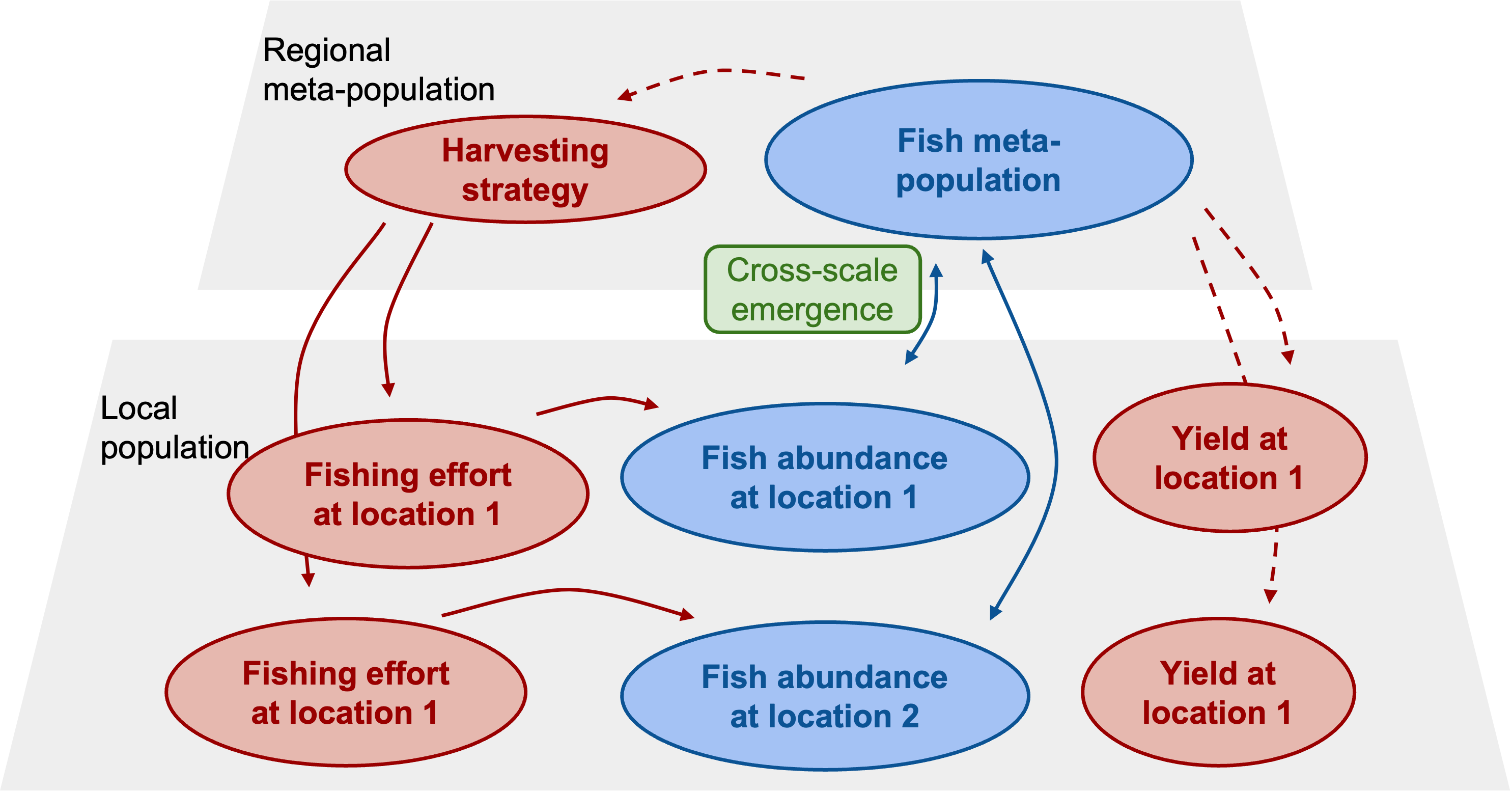
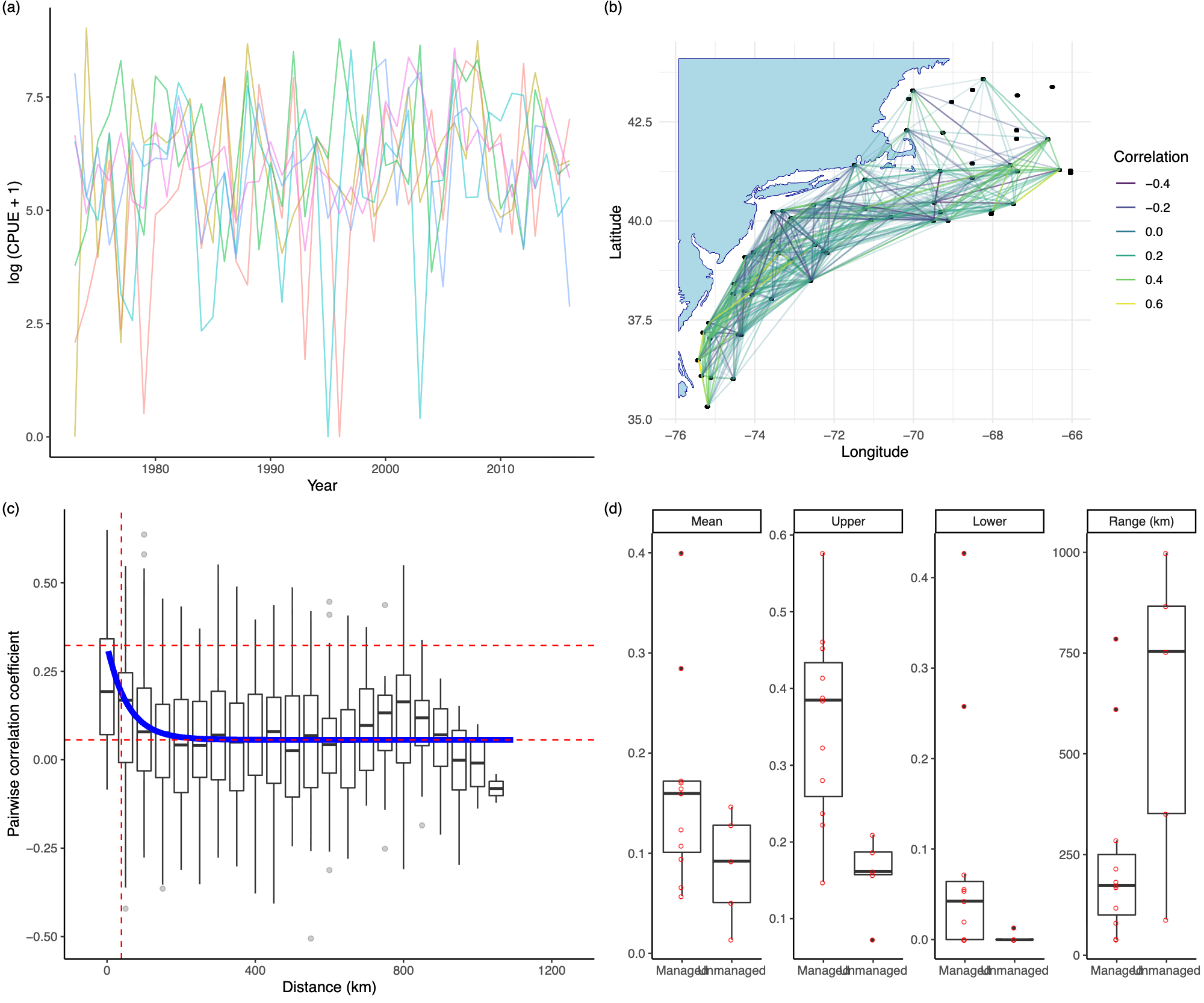
Local fishing effort under a regional strategy of managed harvesting influences fish abundance as geographically disjunct locations, thereby altering the spatial synchrony in the fish meta-population through cross-scale emergence. Total abundance in the meta-population in turn influences local yield and harvesting strategy. The impact of havesting management on the synchrony of abundance of marine organisms among sites. Population level

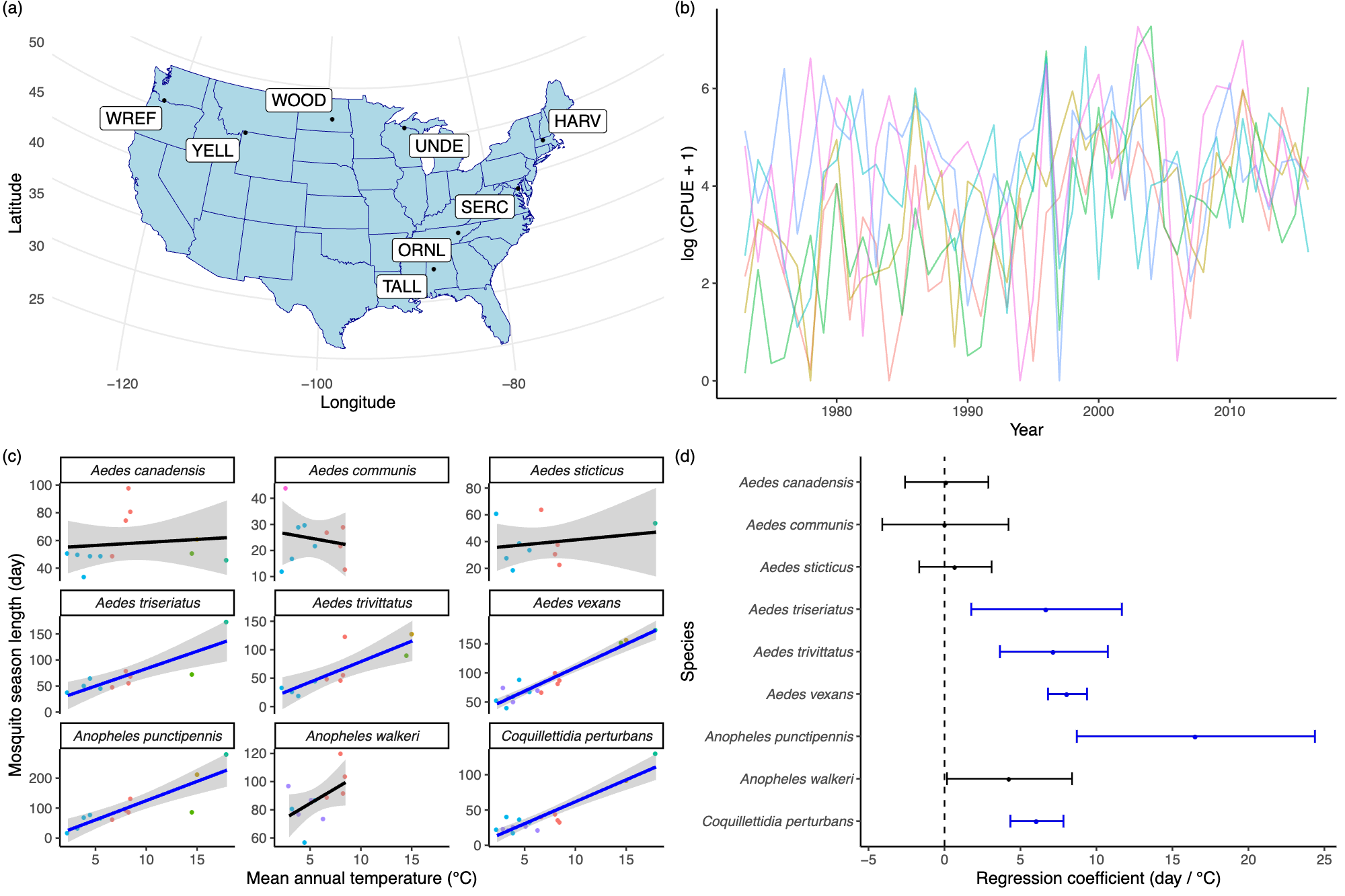
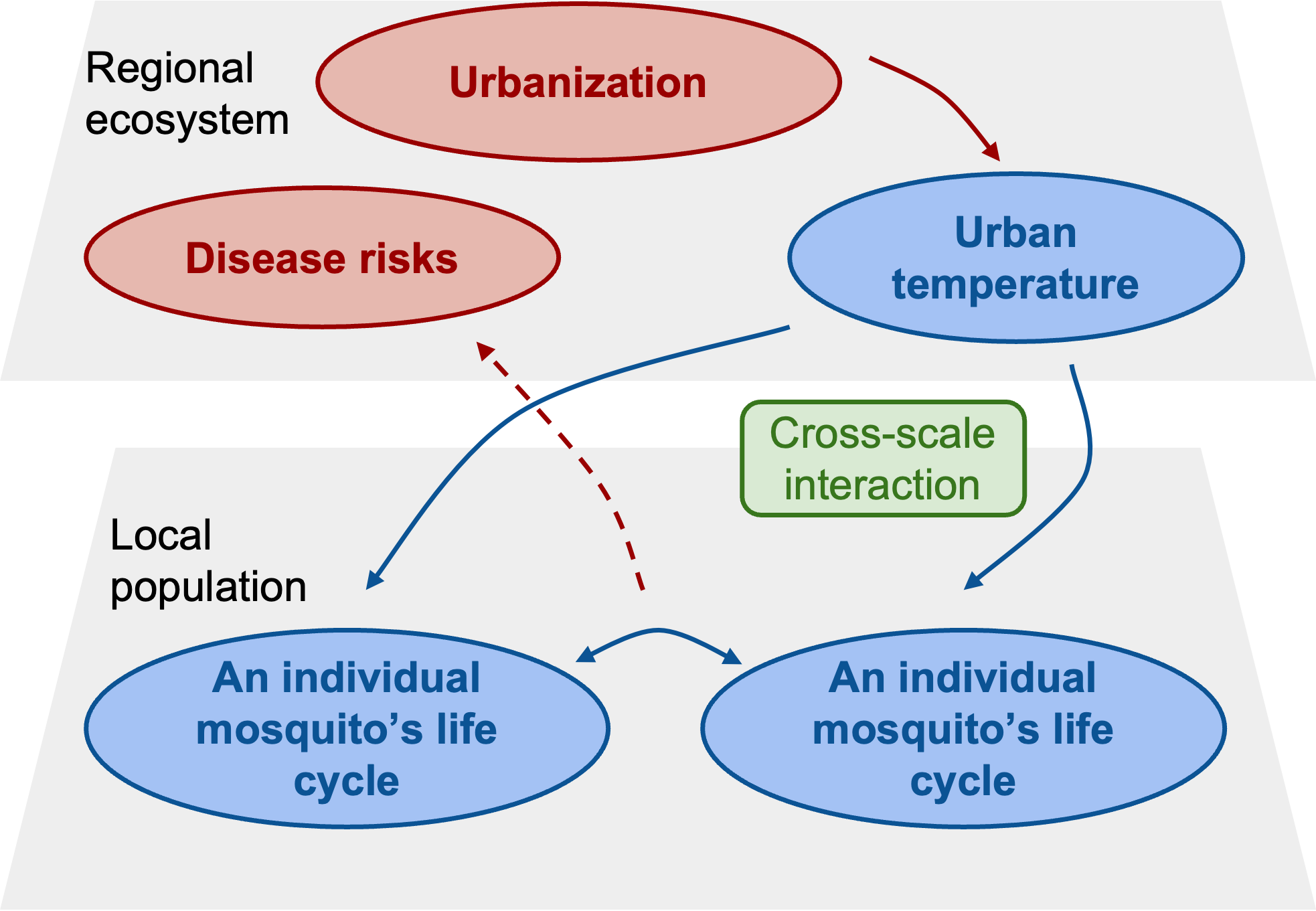
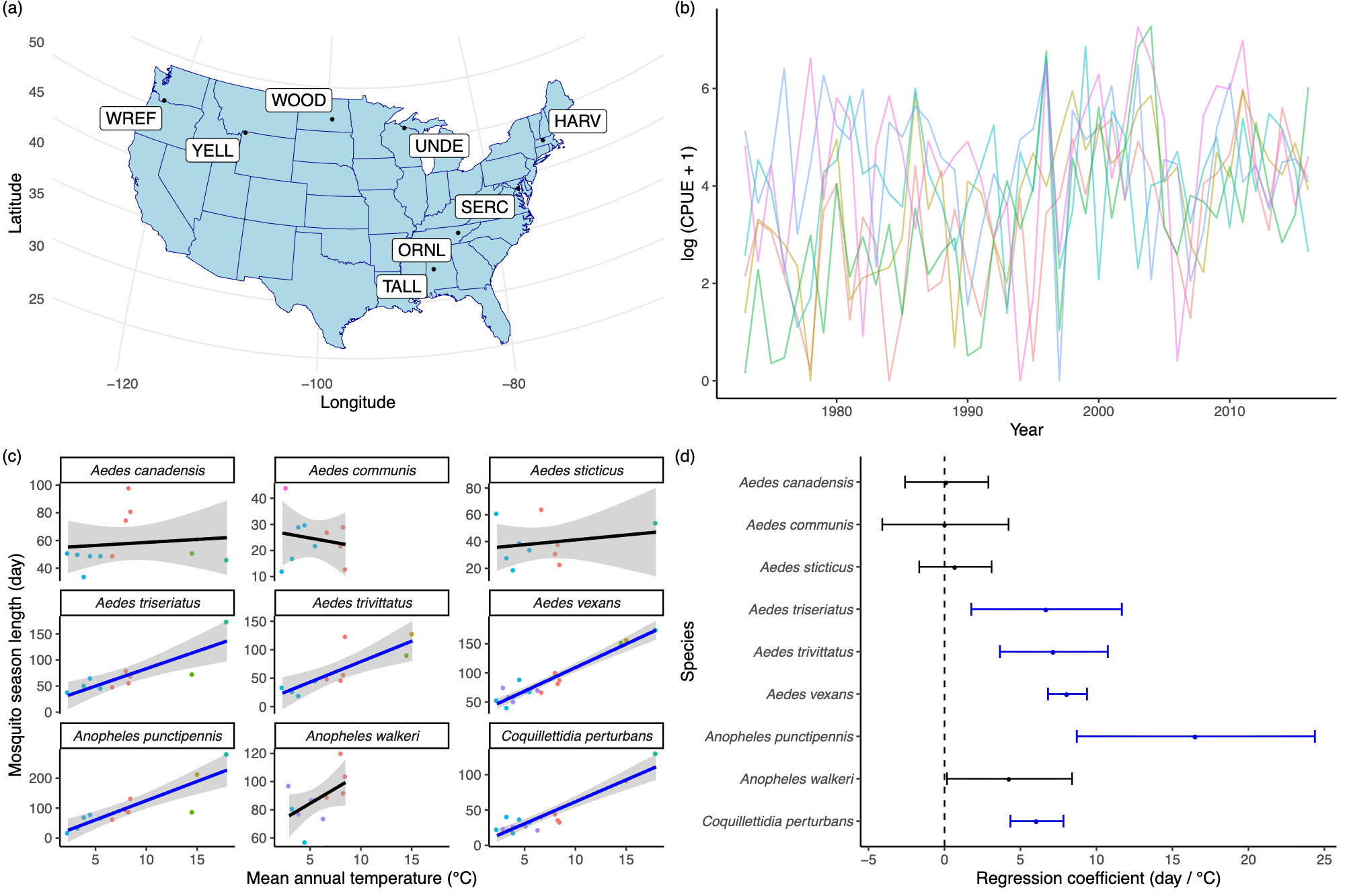
We hypothesize that urban heat islands alter the synchrony of mosquito life cycles within local populations (cross-scale interaction), which in turn influences the timing and magnitude of disease risk in urban areas. The impact of temperature on the synchrony of mosquito emergence between individuals.